DeNations › Space
Rocket trips to the Moon, the planets and the Sun
Lift off from a real launch pad, drop the first stage and climb to orbit. Dock with a space station, stay for a lap of the golden world, or burn out of orbit for the Moon, the planets, the Sun or Pluto — in your browser, with the planets drawn from NASA mission maps.
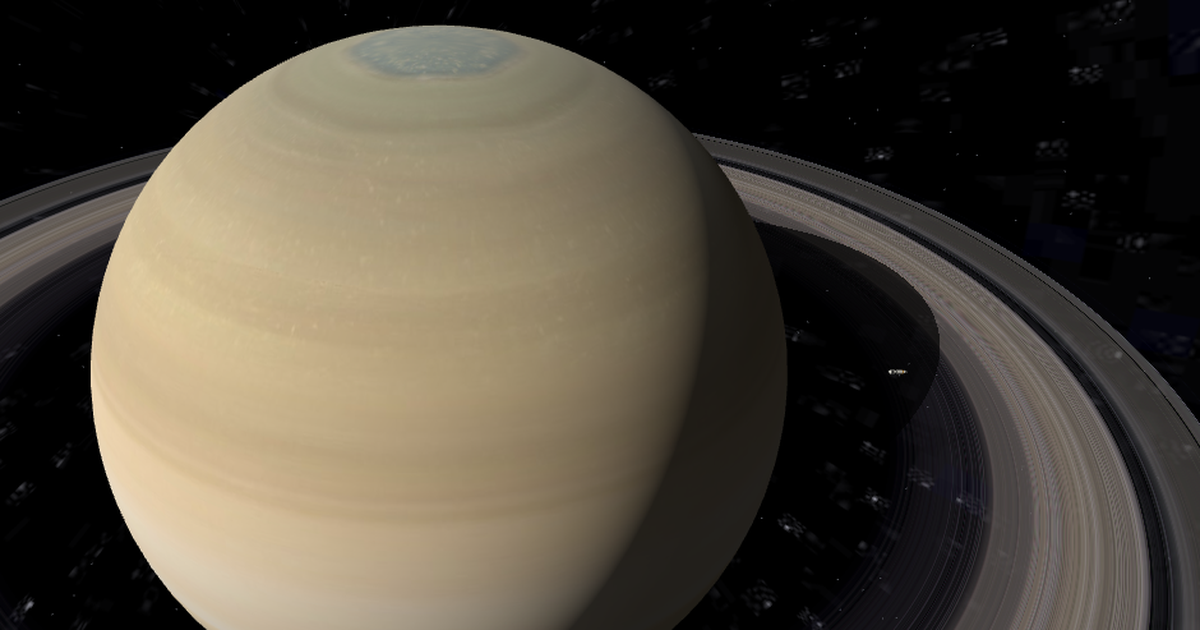 🚀 Choose a trip
- 9 destinations
- 6 real launch pads
- About 2–2½ minutes a trip
- Paid in Gold
Destinations
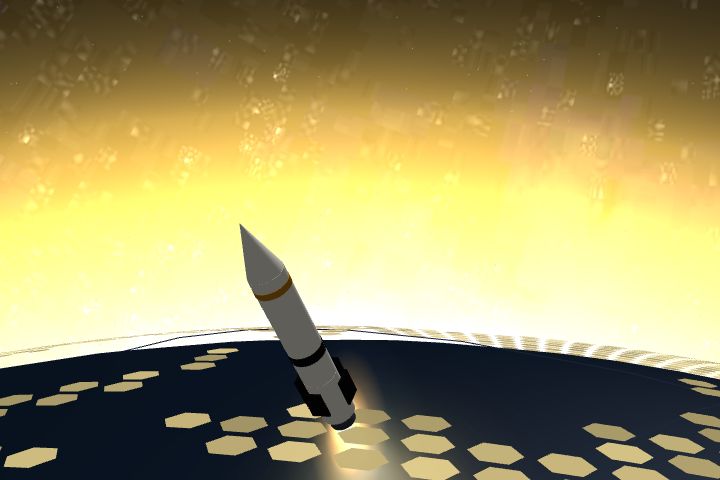
Countdown, liftoff and stage separation, then one lap of the golden world from about 400 km up — the HUD tells you which nation you are over.
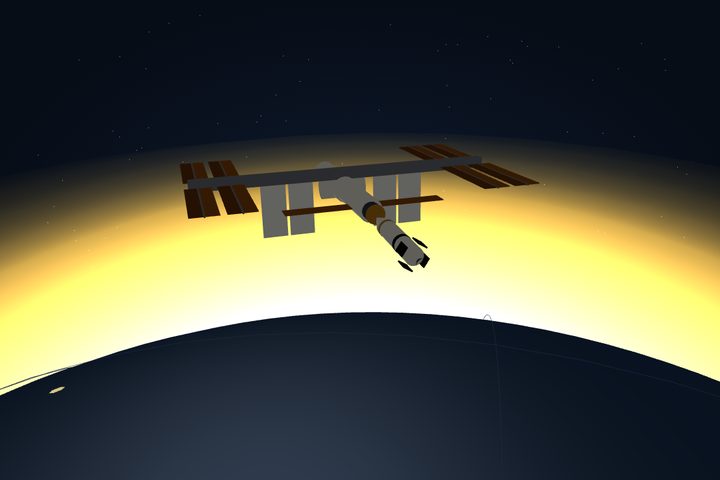
Catch up with a stylised space station in low orbit, modelled on the International Space Station about 400 km up — dock at its rear port, look around the solar wings and radiators, then re-enter.
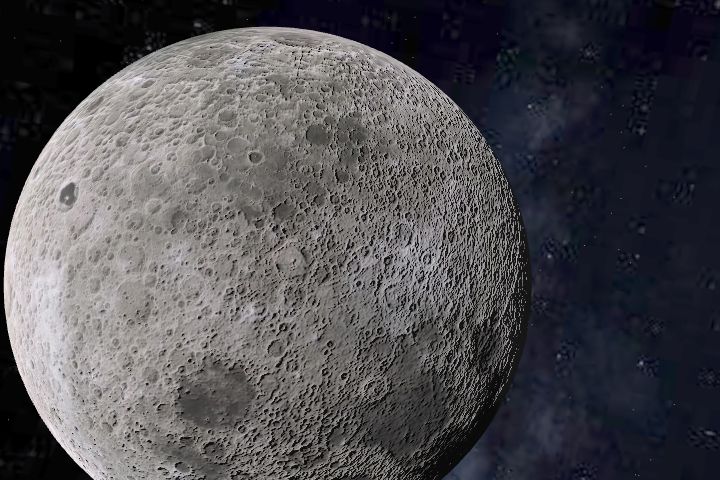
Leave the parking orbit, watch Earth fall away behind you and circle the craters — then land on the lunar surface, with Earth hanging in the black sky, and fly home.
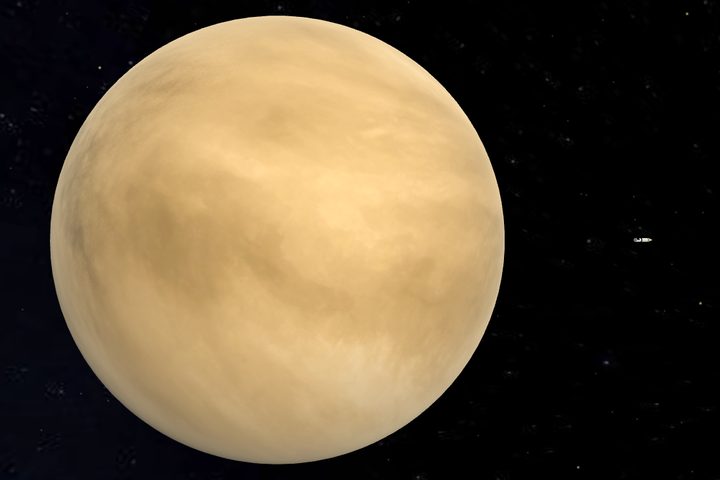
Cruise to the planet wrapped in clouds of sulphuric acid and circle it. Its surface, at about 465 °C, is the hottest of any planet.
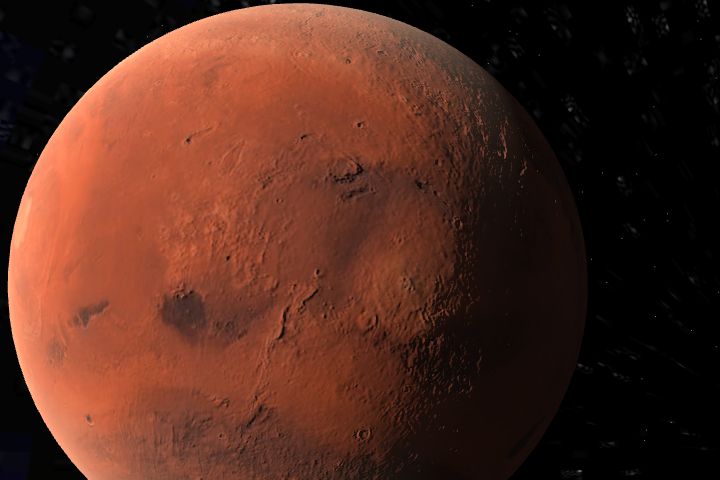
Cross to the red planet and orbit it, then touch down on the surface of Mars under a butterscotch sky, with faint Phobos overhead, before lifting off for home.
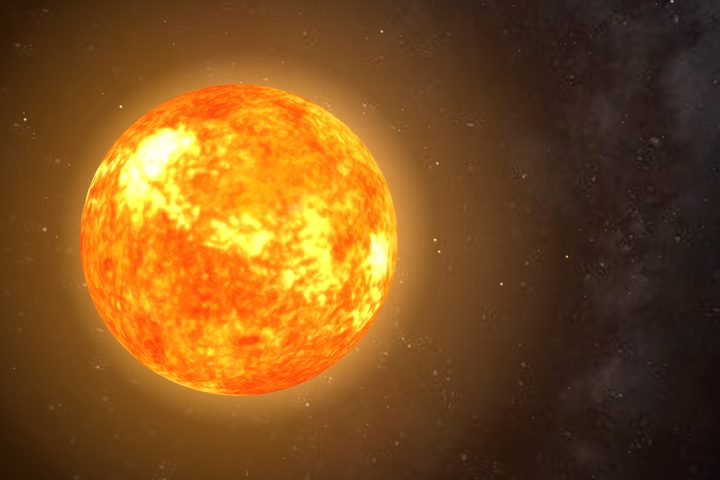
Fly in past Mercury, the smallest planet, then circle the Sun with the heat shield up — its surface is about 5,500 °C.
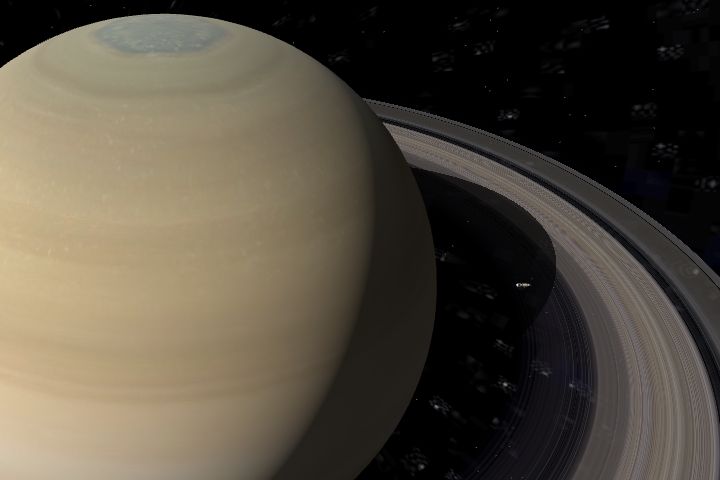
A grand tour of the giants: Jupiter with Io, Europa, Ganymede and Callisto, then Saturn, its rings throwing shadows across the planet.
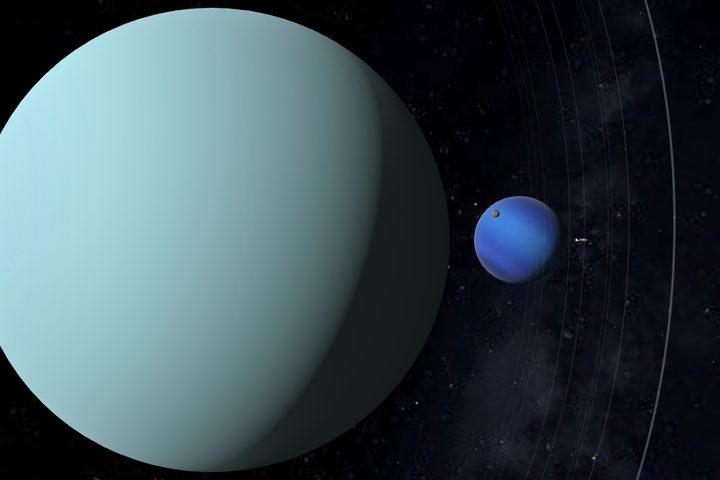
The ice giants: Uranus, tipped on its side with faint narrow rings, then deep-blue Neptune and its moon Triton.
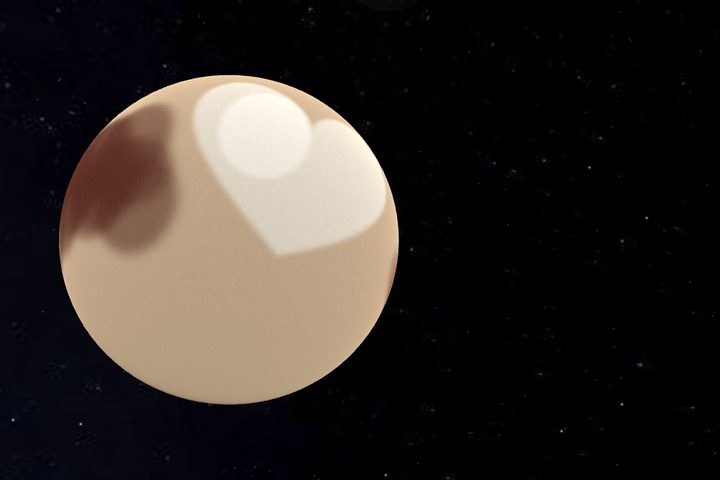
A long cruise past Jupiter, Saturn, Uranus and Neptune to Pluto and Charon, about 5.9 billion km from the Sun — then look back at the Sun, now just a bright star.
Launch pads
- Kennedy Space CenterLaunch Complex 39A, Florida, United States
- StarbaseBoca Chica, Texas, United States
- Baikonur CosmodromeGagarin’s Start, Kazakhstan
- Guiana Space CentreKourou, French Guiana
- Tanegashima Space CenterTanegashima, Japan
- Naro Space CenterGoheung, Republic of Korea
How a trip goes
- Pick a destination and a launch pad, then press Launch. The ticket is paid in Gold from your account.
- Five-second countdown and a slow, heavy liftoff, then a climb of about 45 seconds: tower cleared, Max Q, stage separation, fairing separation and orbit insertion.
- In orbit you circle the golden world or rendezvous and dock with the space station — or, for the Moon and the planets, burn out of orbit and cruise there.
- Orbit your destination with its moons. On the Moon and Mars you then descend and land, look around the surface, and lift off for the cruise home and re-entry. You can return to the globe at any moment.
Questions
- How do I start a rocket trip?
- Press a destination card on this page and the trip starts straight away from your last launch pad (Kennedy Space Center the first time). To pick a different pad, use Choose a trip.
- What does a trip cost?
- Earth orbit is 100 Gold, the space station 150, the Moon 250, Venus 400, Mars 500, Mercury & the Sun 700, Jupiter & Saturn 1000, Uranus & Neptune 1500 and Pluto 2000. Gold is won at the mini games; you need to be signed in so the trip can be paid from your account.
- Are the planets real?
- The surfaces are drawn from real maps made from NASA mission data (Solar System Scope, CC BY 4.0), lit by the Sun as you orbit. Distances in the trip are squeezed so the flight takes a couple of minutes; the real distances are shown on screen.
- Can I land on the Moon or Mars?
- Yes. Moon and Mars trips descend after orbiting and touch down on the surface for a short stay — drag to look around, or press Head home now — then lift off, cruise back to Earth and re-enter. The other trips stay in orbit: Venus is too hot and crushing to land on, the Sun has no surface, the giant planets have no solid ground, and Pluto is a fly-by.
- Is the space station the real ISS?
- The trip is modelled on a visit to the International Space Station, which orbits about 400 km up and circles Earth about every 90 minutes. The station you dock with is a stylised model with a long truss, solar-array wings, radiators and pressurised modules, not an exact copy.
- How close do you get to the Sun?
- The rocket circles the Sun at a safe-looking distance with a heat shield turned toward it, the way Parker Solar Probe flies behind its carbon-composite shield. Mercury, the closest planet to the Sun, is passed on the way in.
- Which launch pads can I choose?
- Kennedy Space Center (Launch Complex 39A, Florida), Starbase (Boca Chica, Texas), Baikonur Cosmodrome (Gagarin’s Start, Kazakhstan), Guiana Space Centre (Kourou), Tanegashima Space Center (Japan) and Naro Space Center (Goheung, Korea).
Planet and sky maps: Solar System Scope (CC BY 4.0), made from NASA mission data. Travel time in a trip is compressed; real distances are shown during the flight.